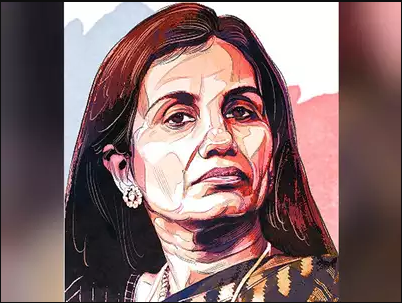
Former ICICI Bank CEO Chanda Kochhar has been indicted by the Justice BN Srikrishna panel for violating the bank’s code of conduct. Following this, the bank has decided to consider her resignation submitted on October 4, 2018 as a ‘termination’ and recover the bonuses paid to her since April 2009, which amounts to over Rs 9.6 crore. The bank issued a statement yesterday saying it would revoke “all her existing and future entitlements such as any unpaid amounts, unpaid bonuses or increments, unvested and vested and unexercised stock options, and medical benefits, and require the clawback of all bonuses paid from April 2009 until March 2018.” This comes less than a week after the CBI registered an FIR against Chanda Kochhar, her husband Deepak Kochhar and Videocon Group managing director Venugopal Dhoot for criminal conspiracy and corruption. Kochhar responded to the Bank’s decision by saying she was “utterly disappointed, hurt and shocked”. “I reiterate that none of the credit decisions at the bank are unilateral. ICICI is an institution with established robust processes and systems which involve committee based collective decision making with several professionals of high caliber participating in the decision making. Hence the organisation design and structure obviate the possibility of conflict of interest.” Kochhar’s contention that decisions regarding extension of credit were not unilateral does not bode well for many of her colleagues who are also under the CBI scanner. Analysts Mirror spoke to feel that in a way the latest move is also a slap in the face of ICICI Bank. “The bank’s board now stands thoroughly discredited as then bank’s chairman M K Sharma had rushed to give a clean chit to Kochhar. They will have a lot of explaining to do now,” said independent banking sector watcher Hemindra Hazari. “This clawback of Kochhar’s bonuses and esops is an unprecedented move in corporate India,” said Shriram Subramanian, managing director of InGovern, a corporate governance advisory. “There are two things the bank can do. It can stop her retirement benefits and depending on Kochhar’s lack of intent to give back her bonuses, it can take her to court. In any case, it has a responsibility to shareholders to act immediately.” He added that while the Srikrishna panel has found her guilty of violating the bank’s code of conduct, the more damning evidence may come from the CBI probe into the quid pro quo element which investigates whether Kochhar was involved in facilitating the Rs 3,250-crore loan to Videocon . According to financial affairs analyst and writer Tamal Bandopadhyay, “The clawback clause is pretty common in the global financial world, particularly after the Lehman Brothers collapse. Bankers always run the risk of losing bonus or not being paid if their performance is not up to the market. In this case, it is more serious — violation of code of conduct.”